


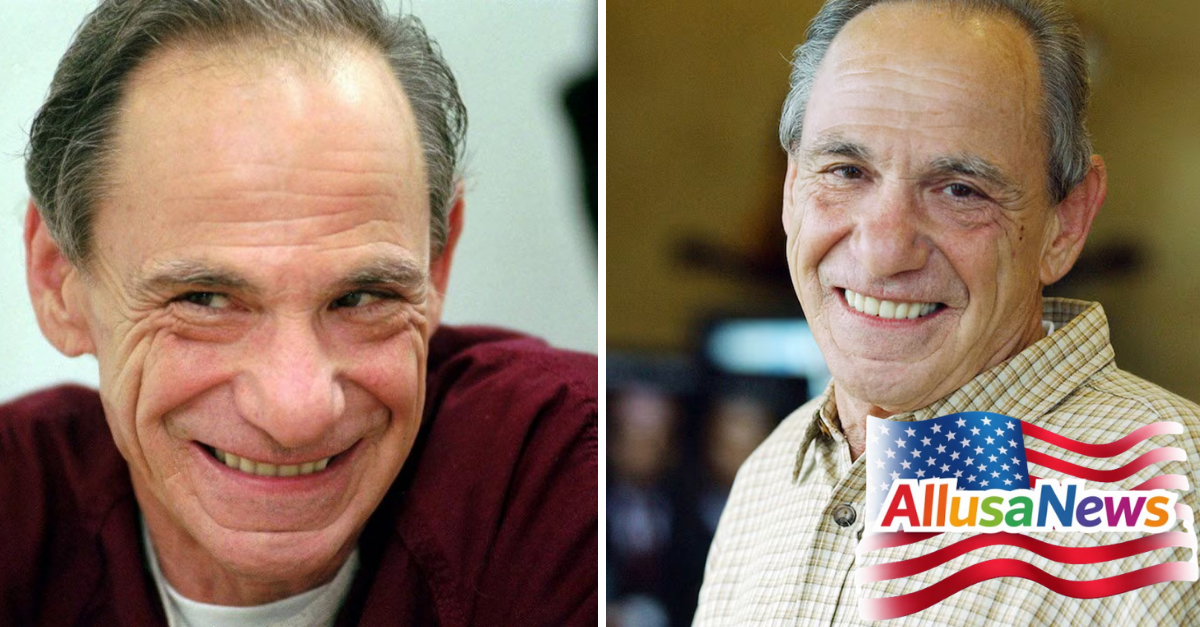
Henry Hill remains one of the most infamous figures in American organized crime history. His life, full of ambition, crime, and eventual redemption, has fascinated audiences for decades. From his early years in Brooklyn to his involvement with the Lucchese crime family, Hill’s story is as captivating as it is cautionary. This article explores the life, career, and personal journey of Henry Hill in detail.
Early Life and Background
Henry Hill was born on June 11, 1943, in Brooklyn, New York. Growing up in a working-class Irish-Italian neighborhood, Hill was exposed to crime at an early age. Influenced by local mobsters and the allure of wealth and power, he gravitated toward the underworld as a teenager. His early fascination with organized crime set the stage for a life that would later captivate both law enforcement and the public alike.
Involvement with the Lucchese Crime Family
By his late teens, Henry Hill had become closely associated with the Lucchese crime family, one of New York’s notorious Five Families. His role was primarily as a go-between for higher-ranking mobsters, providing connections, handling deliveries, and later participating in more serious criminal operations. Hill’s street smarts and charisma allowed him to climb the ranks, giving him access to significant criminal enterprises, including extortion, gambling, and robbery.
Notorious Crimes and the Lufthansa Heist
Henry Hill gained national attention due to his involvement in one of the largest cash robberies in U.S. history—the Lufthansa Heist at John F. Kennedy Airport in 1978. The heist, which netted millions of dollars in cash and jewelry, became legendary for its scale and audacity. Hill’s firsthand knowledge and later revelations about the heist highlighted the intricate planning and brutal enforcement strategies employed by organized crime at the time.
Arrests and Legal Troubles
Despite his successful criminal undertakings, Hill’s life was far from smooth. He faced multiple arrests over the years for a variety of crimes, including drug trafficking and theft. His legal troubles intensified when law enforcement began closing in on the Lucchese family. Ultimately, Hill’s cooperation with federal authorities marked a turning point, allowing him to avoid long-term imprisonment but leading to the alienation from his former associates.
Life in Witness Protection
After agreeing to testify against his former mob associates, Henry Hill entered the federal Witness Protection Program in the early 1980s. Under a new identity, he attempted to build a quieter life away from crime. However, his past continued to follow him, and he occasionally faced legal and personal challenges even during his time in witness protection. Hill’s life in hiding reflected both the consequences of organized crime and the difficulty of leaving it behind.
Cultural Impact and Media Fame
Henry Hill’s life became a cultural phenomenon, largely due to the 1990 film “Goodfellas,” directed by Martin Scorsese. The film, based on Hill’s 1985 memoir Wiseguy, portrayed his rise and fall in the mob with intense realism. Hill himself made appearances in documentaries and interviews, providing firsthand accounts of mob life that fascinated the public. His story has since been referenced in countless books, documentaries, and media portrayals, solidifying his place in American pop culture.
Personal Life and Family
Henry Hill married Karen Friedman in 1966, and they had children together. His family life was complex, marked by the duality of trying to be a devoted husband and father while living a criminal lifestyle. Hill’s personal life, including struggles with substance abuse and legal issues, reflected the human side of someone often depicted solely as a gangster. Despite the challenges, he maintained relationships with his children and occasionally reflected publicly on the lessons learned from his turbulent past.
Later Years and Memoirs
In his later years, Henry Hill embraced his role as a public figure, participating in interviews, documentaries, and speaking engagements. His memoir, Wiseguy, provided an unflinching look at the inner workings of the mafia and his personal journey. Hill’s reflections on crime, loyalty, and survival offered valuable insights into both the criminal underworld and the process of redemption.
Death and Legacy
Henry Hill passed away on June 12, 2012, from complications related to heart disease. His death marked the end of an extraordinary life that bridged crime, culture, and media. Today, Hill is remembered not just as a mobster, but as a cautionary tale of ambition, risk, and the human desire for recognition. His life continues to captivate historians, filmmakers, and audiences worldwide, ensuring his story remains a significant part of American criminal history.
Conclusion
Henry Hill’s life is a compelling mixture of crime, family struggles, and cultural impact. From his early years in Brooklyn to his rise in the Lucchese crime family and subsequent media fame, Hill’s story provides a fascinating look into the world of organized crime and its long-lasting effects. His journey demonstrates how one life can leave a mark not only on law enforcement history but also on popular culture, offering lessons that are both cautionary and intriguing.

